
Sleep, Stress, and Hormones: Their Impact on Metabolic Health
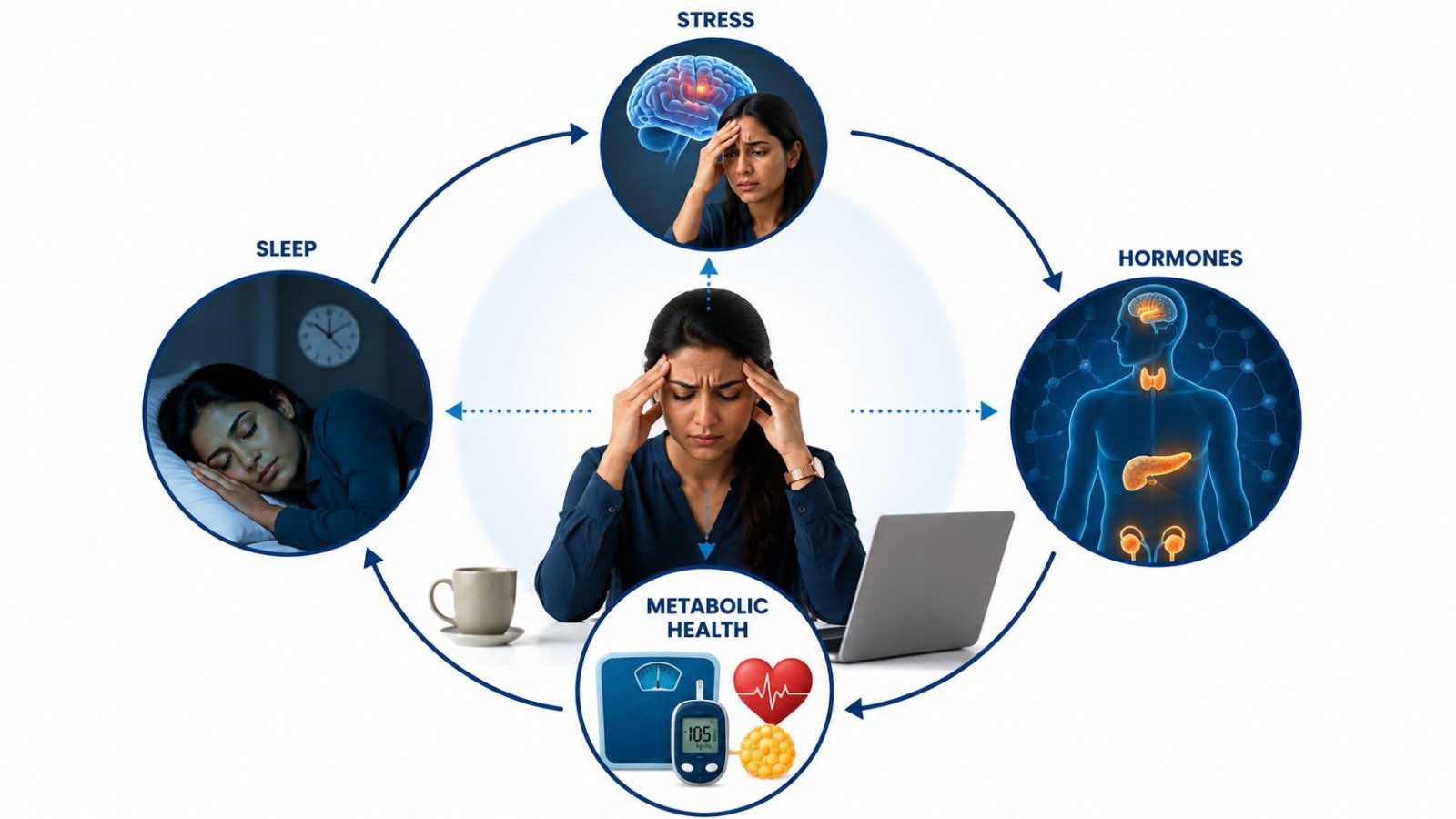
Sleep, Stress, and Hormones: How They Affect Your Metabolic Health
Many people focus on diet and exercise when trying to improve their health, but often overlook two equally important factors—sleep and stress. The quality of your sleep and how well you manage stress directly influence hormones that regulate appetite, blood sugar, metabolism, and body weight.
As an Endocrinologist, Dr. Basavaraj G S often reminds patients that healthy metabolism depends on more than calories. Poor sleep and chronic stress can silently increase the risk of obesity, insulin resistance, Type 2 Diabetes, and heart disease, even in people trying to eat well.
Why Sleep Is Essential for Hormonal Balance
Sleep is an active biological process during which the body repairs tissues, regulates hormones, strengthens immunity, and restores energy. Adults generally require 7–9 hours of good-quality sleep each night for optimal health.
When sleep is consistently shortened or interrupted, several hormones that control appetite and metabolism become disrupted.
Poor sleep has been linked to:
- Increased hunger
- Reduced feeling of fullness after meals
- Higher blood sugar levels
- Reduced insulin sensitivity
- Weight gain
- Increased risk of Type 2 Diabetes
How Stress Changes Your Hormones
Stress is a normal response that helps the body react to challenges. During stressful situations, the brain activates the hypothalamic-pituitary-adrenal (HPA) axis, causing the adrenal glands to release cortisol, commonly known as the stress hormone.
Short-term increases in cortisol are normal and helpful. However, when stress becomes chronic, cortisol remains elevated for prolonged periods and begins to affect metabolism.
Long-term high cortisol levels can:
- Increase abdominal (belly) fat
- Raise blood sugar levels
- Increase insulin resistance
- Promote cravings for sugary and high-calorie foods
- Disrupt sleep quality
- Increase blood pressure
This creates a cycle where stress affects sleep, poor sleep raises cortisol further, and metabolic health continues to decline.
The Hormones That Connect Sleep, Stress and Metabolism
Cortisol
Cortisol helps the body respond to stress, but persistently high levels increase blood sugar, promote belly fat accumulation, and worsen insulin resistance.
Leptin
Leptin is the hormone that signals fullness. Sleep deprivation lowers leptin levels, making it harder to feel satisfied after eating.
Ghrelin
Often called the "hunger hormone," ghrelin rises when sleep is inadequate, increasing appetite and food cravings.
Insulin
Poor sleep and chronic stress reduce the body's sensitivity to insulin, making it harder for glucose to enter cells. This contributes to insulin resistance and increases the risk of Type 2 Diabetes.
How Poor Sleep and Stress Affect Metabolic Health
Metabolic health refers to how efficiently the body regulates blood sugar, blood pressure, cholesterol, body weight, and energy use.
When sleep and stress are poorly controlled, the body becomes less efficient at managing these processes.
Over time, this may increase the risk of:
- Weight gain and obesity
- Prediabetes
- Type 2 Diabetes
- High blood pressure
- High cholesterol
- Fatty liver disease
- Heart disease
Research consistently shows that people who regularly sleep too little are more likely to develop metabolic disorders than those who maintain healthy sleep habits.
Why Tired People Crave Sugar
Many people notice stronger cravings for sweets and fast food after a poor night's sleep.
This happens because:
- Ghrelin increases, making you feel hungrier.
- Leptin decreases, reducing feelings of fullness.
- The brain seeks quick energy from sugary foods.
- High cortisol increases cravings for calorie-dense foods.
These hormonal changes explain why sleep deprivation often leads to overeating and gradual weight gain.
Simple Ways to Improve Hormonal and Metabolic Health
Maintain a Regular Sleep Schedule
Go to bed and wake up at the same time every day, including weekends.
Create a Sleep-Friendly Environment
Keep your bedroom dark, quiet, cool, and avoid screens for at least one hour before bedtime.
Stay Physically Active
Regular exercise improves sleep quality, lowers stress hormones, and enhances insulin sensitivity.
Manage Stress Daily
Yoga, meditation, breathing exercises, mindfulness, and spending time outdoors can help reduce chronic stress.
Eat Balanced Meals
Choose whole grains, vegetables, fruits, lean proteins, healthy fats, and high-fibre foods while limiting sugary snacks and highly processed foods.
Limit Caffeine Late in the Day
Avoid excessive caffeine or energy drinks in the evening, as they may interfere with healthy sleep.
When Should You Speak to an Endocrinologist?
Consider medical evaluation if you experience:
- Persistent fatigue despite adequate sleep
- Difficulty losing weight
- Prediabetes or Type 2 Diabetes
- Unexplained weight gain
- Symptoms of thyroid disorders
- PCOS or hormonal imbalance
- High stress affecting your daily life
- Sleep problems lasting more than a few weeks
Identifying hormonal or metabolic disorders early allows timely treatment and helps prevent long-term complications.
The Bottom Line
Sleep, stress, and hormones are deeply connected. Poor sleep and chronic stress alter hormone signals that regulate hunger, metabolism, blood sugar, and fat storage, making weight gain and insulin resistance more likely.
According to Dr. Basavaraj G S, Endocrinologist, improving sleep quality and managing stress should be considered an essential part of diabetes prevention, obesity management, and overall hormonal health—not just lifestyle advice.
Healthy sleep, regular physical activity, balanced nutrition, and effective stress management work together to support long-term metabolic health and reduce the risk of chronic disease.
Need Expert Endocrine Care?
Book a consultation with our specialist endocrinologists at Shashi Advanced Health Clinics, Bangalore.
Book Appointment on WhatsApp